

Benvenuti, pasta lovers! At Giovanni’s Trattoria, we’re often asked why we pair certain pasta shapes with specific sauces. “Can’t I just have any sauce with any pasta?” The short answer is yes – but the long answer reveals centuries of Italian wisdom that will transform how you think about pasta forever.
Every pasta shape was created for a reason, designed to work in harmony with particular sauces, ingredients, and cooking methods. Understanding this logic is like unlocking a secret code that Italian nonnas have been using for generations. Once you know it, you’ll never look at a bowl of pasta the same way again.
The Golden Rule: Pasta Shape Determines Sauce Success
Before we dive into specific shapes, here’s the fundamental principle that guides every Italian kitchen: the pasta shape should complement and enhance the sauce, not compete with it. Think of pasta and sauce as dance partners – they need to move together in perfect harmony.
This means considering three key factors:
- Surface area: How much sauce can the pasta hold?
- Thickness: Can the pasta support the weight of the sauce?
- Texture: Will the pasta’s ridges, curves, or holes trap the sauce effectively?
The Long and Graceful: Strand Pastas
Spaghetti – The Versatile Classic
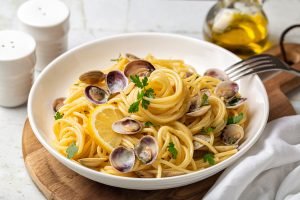
Best with: Oil-based sauces, light tomato sauces, seafood Why it works: Spaghetti’s smooth, round surface allows light sauces to coat evenly without overwhelming the delicate strands. The length creates the perfect sauce-to-pasta ratio in each bite.
Giovanni’s Favorite: Spaghetti alle Vongole – The thin strands perfectly capture the light white wine sauce and nestle around tender clams.
Linguine – Spaghetti’s Sophisticated Cousin
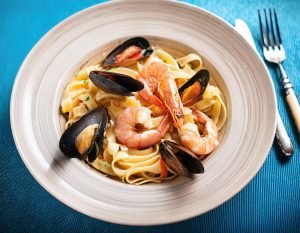
Best with: Seafood sauces, pesto, light cream sauces Why it works: Slightly flatter than spaghetti, linguine has more surface area to grab onto sauces while still maintaining elegance. The flat surface is perfect for ingredients like mussels and clams to rest upon.
Angel Hair (Capellini) – The Delicate Beauty
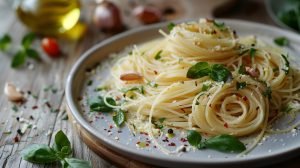
Best with: Very light sauces, simple olive oil and garlic, fresh tomatoes Why it works: These ultra-thin strands cook quickly and can be overwhelmed by heavy sauces. They’re perfect for showcasing high-quality ingredients in their simplest form.
Bucatini – The Secret Weapon
Best with: Carbonara, Amatriciana, Cacio e Pepe Why it works: Here’s where it gets interesting! Bucatini looks like thick spaghetti, but it has a hole running through the center. This hole serves as a tiny sauce reservoir, making it perfect for creamy sauces like carbonara. Each strand becomes a little straw that delivers sauce with every bite.
The Giovanni’s Insight: This is why authentic carbonara uses bucatini or tonnarelli, not fettuccine. The hole captures the silky egg and cheese sauce, creating the perfect balance.
The Tubes: Built for Chunky Goodness
Penne – The Sauce Catcher
Best with: Arrabbiata, meat sauces, chunky vegetable sauces Why it works: Those diagonal cuts aren’t just for looks – they create perfect little scoops that capture chunky ingredients. The ridges (rigati) on the outside provide extra grip for sauce. Penne can handle robust, aggressive sauces without breaking or getting overwhelmed.
Giovanni’s Go-To: Penne all’Arrabbiata – The spicy tomato sauce clings to every ridge, while pieces of garlic and red pepper nestle perfectly inside the tubes.
Rigatoni – The Heavy Lifter
Best with: Hearty meat sauces, baked dishes, chunky vegetables Why it works: Larger and wider than penne, rigatoni can handle the heartiest sauces. The wide opening and substantial ridges make it perfect for meat sauces where you want chunks of sausage or beef in every bite.
Paccheri – The Gentle Giant
Best with: Seafood sauces, light tomato sauces with large ingredients Why it works: These massive tubes from Naples are designed to showcase beautiful ingredients. Large enough to hold a whole mussel or cherry tomato, they turn every bite into a little surprise package.
The Ribbons: Cream’s Best Friends
Fettuccine – The Cream Dream
Best with: Alfredo, rich cream sauces, butter-based sauces Why it works: The wide, flat surface of fettuccine provides maximum contact with creamy sauces. As you twirl the pasta, it creates layers that trap cream and cheese, delivering richness in every bite.
Pappardelle – The Ultimate Indulgence
Best with: Wild boar ragu, mushroom sauces, hearty meat sauces Why it works: These wide ribbons were created for rustic, country-style sauces. The broad surface can support substantial toppings, while the thickness holds up to long cooking times in rich, slow-simmered sauces.
Tagliatelle – Bologna’s Pride
Best with: Bolognese, meat ragus, rich tomato sauces Why it works: Slightly narrower than pappardelle but wider than fettuccine, tagliatelle represents the perfect middle ground. This is the traditional pasta for Bolognese sauce – the width perfectly balances the meat and tomato components.
The Shapes: Function Meets Art
Orecchiette – Little Ears, Big Flavor
Best with: Broccoli rabe, sausage and vegetable combinations Why it works: These “little ears” from Puglia have a unique design – the center is thinner than the edges, creating different textures in one bite. The cup shape perfectly holds small vegetables and pieces of sausage.
Gemelli – The Twisted Sister
Best with: Pesto, light vegetable sauces, oil-based sauces Why it works: The spiral design creates multiple surfaces for sauce to cling to, while the twisted shape adds visual interest and ensures sauce distribution in every forkful.
Radiatori – The Little Radiators
Best with: Chunky sauces, cheese sauces, thick pestos Why it works: With ridges, curves, and crevices, these pasta shapes were literally designed to capture and hold onto every drop of sauce. They’re perfect when you want maximum sauce-to-pasta ratio.
The Stuffed Specialists
Ravioli – The Flavor Bomb
Best with: Simple sauces that complement the filling Why it works: Since ravioli already contains flavor in the filling, the sauce should enhance, not compete. Sage butter for ricotta filling, light tomato for cheese, or brown butter for squash.
Tortellini – The Ring of Perfection
Best with: Broth, light cream sauces, simple butter sauces Why it works: These ring-shaped parcels from Emilia-Romagna are traditionally served in capon broth, allowing the delicate meat filling to shine. When served with sauce, it should be subtle enough to let the filling be the star.
The Science Behind the Pairing
Surface Tension Matters: Smooth pastas work with oil-based sauces that can coat evenly, while ridged pastas grab onto thicker, chunkier sauces.
Thickness Equals Strength: Delicate sauces need delicate pasta; robust sauces need pasta that can stand up to them.
Regional Wisdom: Italian regions developed pasta shapes based on local ingredients and cooking styles. Respecting these traditions ensures harmonious flavor combinations.
Common Pairing Mistakes (And How to Avoid Them)
Angel Hair with Heavy Meat Sauce: The delicate pasta gets lost under the weight of the sauce. Choose pappardelle or rigatoni instead.
Thick Cream Sauce with Thin Pasta: Spaghetti can’t hold cream sauce effectively. Opt for fettuccine or linguine.
Smooth Pasta with Chunky Sauce: Without ridges or holes, chunks of vegetables or meat will slide off. Choose a textured pasta instead.
The Giovanni’s Pasta Philosophy
At our trattoria, we follow these traditional principles not because we’re pasta snobs, but because they genuinely create better-tasting dishes. When you order our Bucatini Carbonara, you’re not just getting pasta with sauce – you’re experiencing centuries of Italian culinary evolution designed to maximize flavor and satisfaction.
We make several of our pasta shapes fresh daily, and we choose each one specifically for how it will work with its intended sauce. Our Pappardelle Bolognese tastes different than it would with any other pasta shape – and that difference is why Italian cuisine has endured and evolved for so long.
Bringing It Home: Your Pasta Pairing Cheat Sheet
For Oil-Based Sauces: Thin, long pastas (spaghetti, linguine, angel hair) For Cream Sauces: Wide, flat pastas (fettuccine, tagliatelle) For Chunky Tomato Sauces: Tubes and shapes (penne, rigatoni, radiatori) For Meat Sauces: Wide ribbons or large tubes (pappardelle, rigatoni) For Delicate Seafood: Thin to medium strands (linguine, spaghetti) For Pesto: Twisted or spiral shapes (gemelli, fusilli)
The Bottom Line
Understanding pasta shapes isn’t about following rigid rules – it’s about understanding how ingredients work together to create harmony on your plate. Every shape has a purpose, every pairing has a reason, and every bite should be a perfect balance of pasta and sauce.
The next time you’re dining with us at Giovanni’s, feel free to ask about our pasta choices. We love sharing the stories behind our pairings and helping you discover why certain combinations have stood the test of time.
After all, pasta isn’t just food – it’s edible architecture, designed to carry flavors in the most delicious way possible.
Buon appetito!
Visit Giovanni’s Trattoria in Washington, DC, where we serve traditional pasta pairings made with fresh ingredients and generations of Italian wisdom. Come taste the difference that proper pairing makes!